September is National Preparedness Month

Alan Stephens • September 2, 2026

Perfect Time for a Home Inspection!

September is National Preparedness Month: Perfect Time for a Home Inspection!

September is National Preparedness Month, a time when we focus on making sure our homes and families are ready for emergencies. One key step in that process is ensuring your home is in top condition to handle unexpected events. A home inspection can help identify issues that could become major problems in an emergency. Here’s why a home inspection is critical for preparedness and how you can do it effectively.
 
Why a Home Inspection is Important for Preparedness

Identifying Weak Points in Your Home’s Structure
Natural disasters like storms, floods, and even earthquakes can wreak havoc on a house. A professional home inspection will help you identify weak points in your home’s structure, such as foundation cracks, loose roof shingles, or faulty siding. These seemingly minor issues can lead to significant damage during a storm or heavy rainfall, leaving you vulnerable when you need protection the most.
 
Ensuring Electrical and HVAC Systems are Safe
In an emergency, you’ll want to rely on safe and efficient electrical and HVAC systems. Faulty wiring, old heating systems, or an underperforming air conditioning unit can be hazardous, especially during extreme weather conditions. A professional home inspection will include these aspects to keep your family safe in all situations.
 
Early Identification of Water Leaks and Mold
Water damage and mold can quickly spread, causing extensive damage to your home and potentially affecting your health. A home inspection can catch water leaks in the foundation, roof, or plumbing systems before they become more significant problems. Early detection of these issues is key to preventing mold growth and keeping your home healthy and secure.
 
Evaluating Insulation and Energy Efficiency
Proper insulation and energy efficiency are essential in both hot and cold climates. In the event of a prolonged power outage, your home will retain heat or cool air longer if it’s properly sealed and insulated. A professional home inspection will check your home’s insulation, weather stripping, and window seals to ensure you’re not losing precious energy and highlight areas where insulation is lacking or inefficient.

 
How to Use the Home Inspection Results

After your inspection, prioritize repairs based on their urgency and the likelihood of affecting your preparedness. Address critical structural issues and system failures first. If your inspection reveals minor issues, such as drafty windows or small leaks, plan to tackle those next, as they can still affect your home’s resilience in an emergency.
 
Finally, consider updating your emergency preparedness plan to include any new information from your inspection. If you find any serious problems, notify your insurance company and ensure your policy covers potential disasters in your area.
 
National Preparedness Month is the perfect time to ensure your home is safe and secure. A thorough home inspection can help you identify and address potential problems before they become emergencies. By taking steps now, you’ll be better equipped to handle whatever comes your way—whether it’s a natural disaster, a power outage, or something else. Prepare today for a safer tomorrow.
By Alan Stephens August 5, 2026
Seasonal Preventative Maintenance
By Alan Stephens July 21, 2026
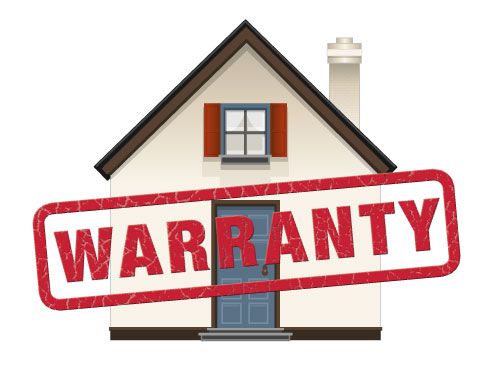
After an inspection, one of the first questions we hear is, "Should we get a home warranty?" A warranty can help with unexpected repair bills, but the coverage for major appliances depends on the details. Here is how we tell homeowners to evaluate a plan before they sign. 1. What "covered" really means Most standard plans list refrigerator, oven and range, dishwasher, built-in microwave, washer and dryer. What they often don't highlight is what is not included. Common exclusions are ice makers, water dispensers, door seals and gaskets, racks, handles, and any cosmetic parts. Two clauses matter most for buyers: • Pre-existing conditions: If the inspection report noted an issue, or if there is no proof the appliance was working at closing, the claim can be denied. • Maintenance: If you cannot show routine maintenance, like coil cleaning or filter changes, that can also be used to deny a claim. Keep your inspection report and any receipts. And check the payout cap. That is the absolute max the company will pay per appliance or per year. A $1,500 cap will not fully replace a high-end French door refrigerator. 2. The two costs you are really paying There is the monthly or annual premium, and then the per-visit service fee, usually $75 to $125. That fee is charged every time a technician comes out, even if they do not fix anything on that visit. A cheap premium with a high service fee gets expensive if you have multiple failures in one year. 3. Who is actually doing the repair? A warranty is only as good as its contractor network. In rural areas and smaller towns, networks can be thin, which means longer wait times in the middle of winter or summer. Before you buy, ask: • Do you have licensed techs covering the Omaha area? • What is the guaranteed dispatch window? • Can I use my own contractor with prior approval if no one is available? 4. Add-ons that matter in our area Standard plans rarely cover well pumps, septic systems, second refrigerators in the garage, sump pumps, or roof leaks. If the home has any of those, you will need an add-on. Those extras add to the premium, so price the plan with add-ons included, not just the base price. 5. How to compare companies apples to apples Don't compare the marketing grids. Download the actual sample contract. Look at the same three pages for each provider: • The covered items list and exclusions • The limits and payout caps • The claim process and service fee Big names you will see are American Home Shield, Choice Home Warranty, and First American. They differ mainly on cap amounts, add-on options, and service fee structure. Check recent third-party reviews and your state's complaint history, not just testimonials on their site. Home warranties are often sold as service contracts, so you can also check with the state Attorney General's office for complaint patterns. Bottom line from an inspector's perspective A home warranty is not a replacement for maintenance or for budgeting for replacement. It can be useful for the first year after a purchase, especially when appliances are older but still functional at closing. For some homeowners, putting that same $40 to $80 per month into a dedicated home repair fund makes more financial sense. If you are buying soon, bring your warranty questions to the inspection. We can note the age and condition of the appliances so you know which coverage, if any, makes sense.  Schedule an inspection with Acuity Property Inspections and get a clear picture of your appliances, systems, and what to watch for in year one.
By Alan Stephens June 3, 2026
4 Homeowner Tips