Maintenance Inspections - Protecting Your Investment
Home Maintenance Inspections
Your home is one of the biggest investments you’ll make! While providing for your basic need for shelter, it also provides the growth of equity and control over your living space. It allows you to establish roots in a community with a safe and stable environment for you and your family. Protecting your investment requires an intentional, preventative, and proactive approach that involves dedicating the time and knowledge many homeowners don’t have.
Hiring a professional inspector for a home maintenance inspection offers a solution! A home maintenance inspection brings a resource that provides a detailed and thorough inspection and report that helps develop a strategy for maintaining your home.
Among the benefits of a home maintenance inspection:
1. Early Detection of Issues: Inspections can uncover potential problems with your home before they escalate into major issues. Identifying issues early can save you time and money on repairs.
2. Preventative Maintenance: Inspections help prioritize maintenance tasks and identify areas that require attention. Regular maintenance can prolong the lifespan of your home's systems and components, reducing the likelihood of breakdowns.
3. Budgeting for Maintenance Expenses: Inspections can help categorize and prioritize maintenance projects for your property to enable planning for the required financial implications.
4. Improved Safety: Inspections can identify safety hazards such as electrical issues, structural weaknesses, or fire hazards. Addressing these issues promptly helps ensure the safety of your family and property.
5. Preservation of Property Value: Regular maintenance and timely repairs help maintain the value of your home. Addressing issues promptly prevents small problems from escalating into costly repairs that could decrease your home's value.
6. Energy Efficiency: Inspections can identify inefficiencies in your home's systems, such as HVAC systems, insulation, or windows. Addressing these inefficiencies can improve energy efficiency, leading to lower utility bills.
7. Peace of Mind: Knowing that your home has been thoroughly inspected and is in good condition provides peace of mind for homeowners. It reduces anxiety about potential problems and allows you to enjoy your home without worrying about unexpected issues.
8. Compliance with Regulations: Inspections can help ensure that your home meets building codes and regulations, especially important if you plan to sell your home in the future. Compliance with regulations can prevent complications during the selling process.
9. Documentation for Insurance Claims: Inspection reports serve as documentation of your home's condition, which can be useful for insurance claims in case of damage or loss. Having thorough documentation can expedite the claims process and ensure that you receive fair compensation.
10. Educational Opportunity: Inspections provide homeowners with valuable information about their home's systems and components. Inspectors often offer insights and recommendations for maintenance and improvements, empowering homeowners to make informed decisions about their property.
11. Negotiating Power: If you're buying or selling a home, a professional inspection can provide leverage during negotiations. Identifying issues beforehand allows you to address them proactively or negotiate a fair price based on the home's condition.
Some of the more common issues encountered during a home maintenance inspection include:
1. Roofing Problems: Damaged or missing shingles or flashing, leaks, or other issues that may warrant budgeting for replacement. A professional inspection will also include the attic of your home to provide a perspective most homeowners rarely see.
2. Plumbing Leaks: Leaky faucets, dripping pipes, or water stains can indicate plumbing issues that need attention.
3. Electrical Concerns: Outdated or improper wiring, malfunctioning outlets, and other improper electrical installations.
4. HVAC System Deficiencies: Age, condition, and deferred maintenance issues that impact the safety and efficiency of operation.
5. Structural Integrity: Foundation cracks, uneven settling, or structural damage.
6. Moisture and Mold: Damp basements, mold growth, or water stains on walls and ceilings can indicate moisture problems.
7. Insulation and Ventilation: Inadequate insulation, improper attic ventilation, or air leaks can affect energy efficiency and indoor air quality.
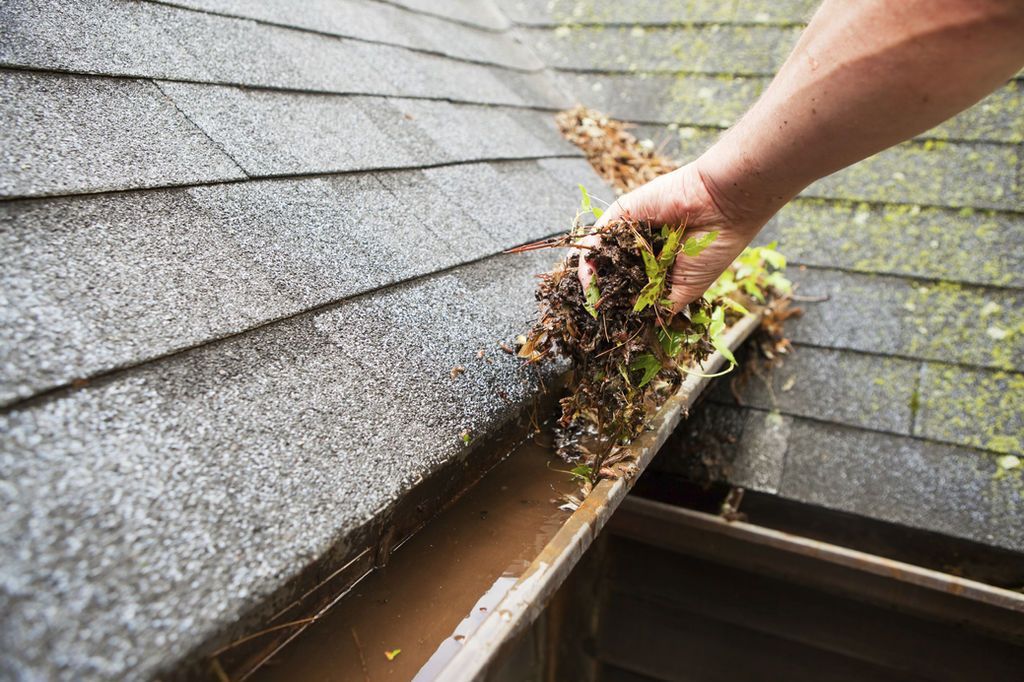
8. Exterior Maintenance Needs: Issues like damaged siding, deteriorating paint, or inadequate drainage around the property are common.
9. Appliance Functionality: Inspectors check the condition and operation of appliances like water heaters, furnaces, and kitchen appliances.
10. Safety Hazards: Any potential safety risks such as trip hazards, unstable staircases, or missing handrails are identified.
A home maintenance inspection can help homeowners identify these and other issues early so they can be addressed before they become more serious and costly to repair.
Schedule your home maintenance inspection today to protect your investment, maintain your home’s value, and provide a safe environment for you and your family.