The Value of a Professional Commercial Property Inspection
Verifying a property's safety, functionality, and financial viability
Investing in a commercial property is a significant decision that requires careful consideration. Whether you are purchasing, leasing, or managing a commercial property, conducting a thorough inspection is paramount to ensure its safety, functionality, and financial viability. This blog will explore the value of a professional commercial property inspection and why it can play a vital role in protecting your investment.
What is a commercial property inspection?
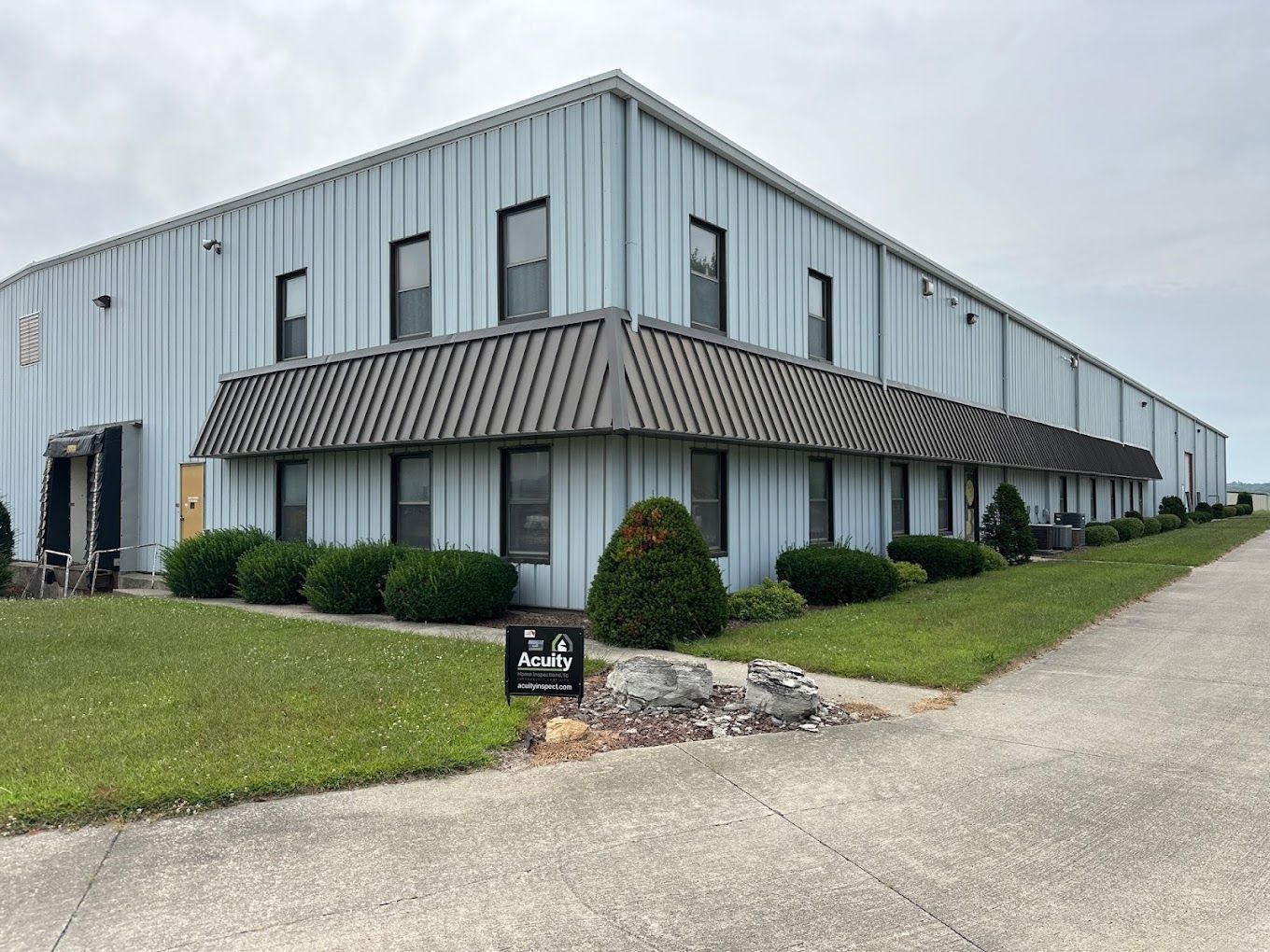
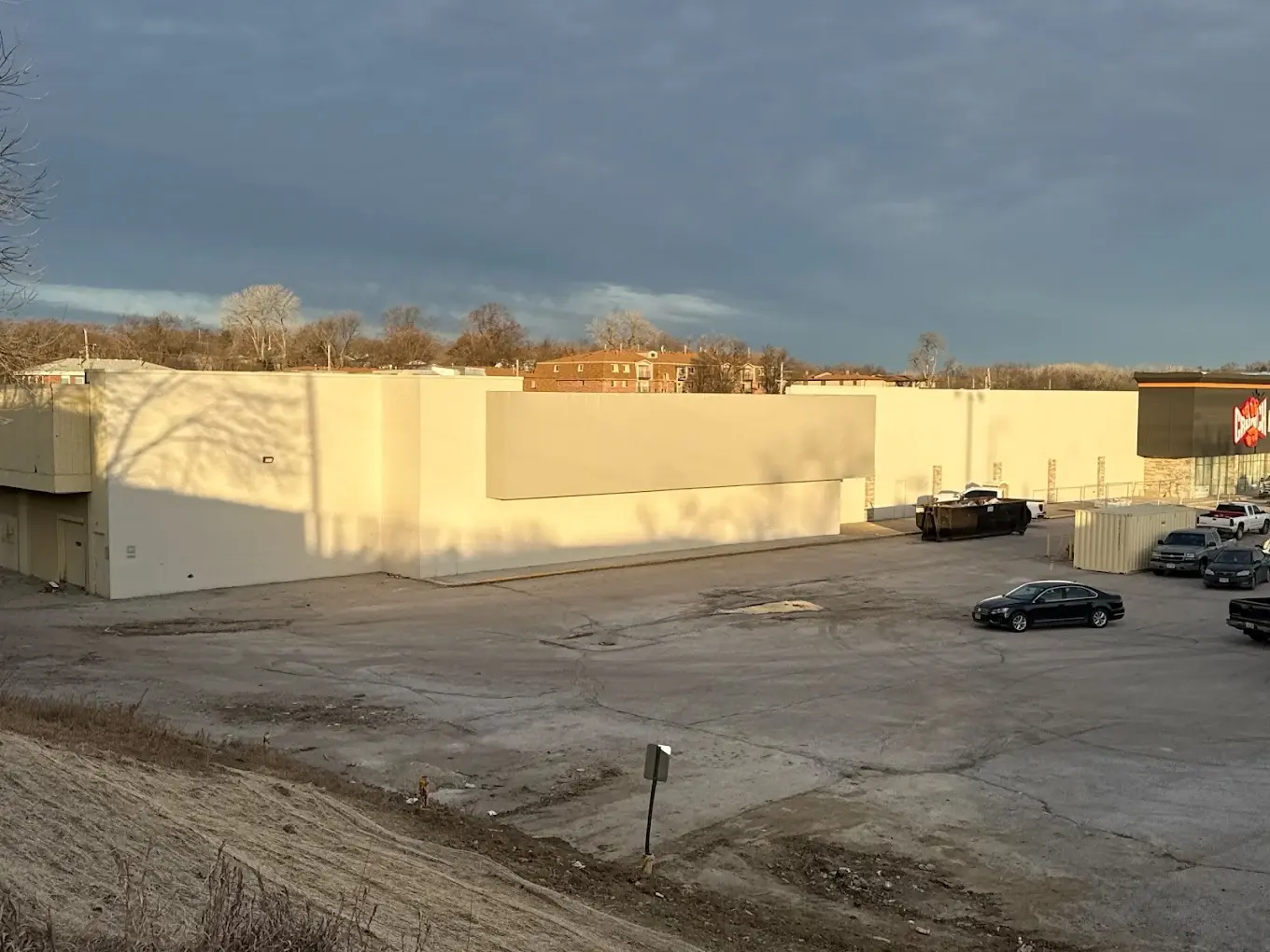
Commercial properties are generally used for commercial purposes, intended to derive profit from rental income or business operations. They include restaurants, multi-family residences, retail shops, office buildings, warehouses, etc.
The objective of an inspection of commercial property is to identify issues and report on the condition of a property’s major structural or system components. The typical circumstance for an inspection is during a transaction involving a sale/purchase or the start/end of a lease. However, regularly scheduled inspections are becoming more common as part of a property owner’s preventative maintenance strategy. Additionally, more agents, brokers, and managers are realizing the value of utilizing a professionally certified commercial property inspector to manage a comprehensive inspection, leveraging the skills, time, and resources they bring to the process.
Uncovering Hidden Issues
Commercial properties, like any other real estate, can have hidden issues that may not be immediately apparent to the untrained eye. A professional commercial property inspection provides a comprehensive evaluation of the building's structural integrity, mechanical systems, electrical systems, plumbing, HVAC, and more. By identifying any hidden deficiencies or potential problems, you gain a clear understanding of the property's condition and can make informed decisions regarding repairs, maintenance, budgeting, and/or negotiations.
Verifying Safety, Security, and Accessibility Measures
The safety and security of commercial property are of utmost importance to its owner, occupants, employees, and visitors. A thorough professional inspection will evaluate the property's fire safety measures, emergency exits, lighting, and more. Identifying any potential hazards or vulnerabilities allows you to address them promptly and ensure a safe environment for all. An inspection of accessibility components of the property, such as ramps, doors, parking, and restrooms, can help confirm ADA compliance. A proactive approach can also help protect you from potential legal and financial liabilities that could arise from neglected maintenance or overlooked safety issues.
Evaluating Structural Integrity
The structural integrity of a commercial property is a crucial aspect that directly impacts its longevity, safety, and value. A commercial property inspection assesses the foundation, walls, roof, and other interior and exterior structural components for signs of damage, deterioration, or weakness. It can also identify grading, drainage, and other factors that could pose a potential risk for future issues.
Forecasting Maintenance and Repairs
Commercial properties require regular maintenance and occasional repairs to operate efficiently. A professional inspection report provides valuable insights into the property's maintenance needs, allowing you to forecast future expenses and plan for necessary repairs. This information can also be beneficial during negotiations or when budgeting for ongoing property management and maintenance reserves.
Facilitating Informed Decision-Making
A commercial property inspection equips you with comprehensive knowledge about the property's condition. This knowledge empowers you to make informed decisions regarding purchasing, leasing, renovating, or investing in the property. The inspection report becomes a valuable tool that guides your decision-making process and helps mitigate potential risks.
Evaluating Energy Efficiency
In today's environmentally conscious landscape, energy efficiency is a critical consideration for commercial property owners. A professional inspection can assess the property's energy efficiency by evaluating insulation, windows, HVAC systems, lighting, and other factors. Understanding the property's energy performance helps you identify opportunities for improvements that can lead to cost savings and environmental sustainability.
Enhancing Investor Confidence
If you plan to lease or sell your commercial property, having a recent inspection report can provide peace of mind to potential tenants or buyers. A comprehensive, professional inspection report can also include a collection of documents relative to the property’s value, including planning applications, construction documentation, fire safety certificates, surveys, and construction documents. This demonstrates your commitment to transparency and ensures that they have a clear understanding of the property's condition, can instill confidence in investors, and facilitate smoother negotiations and transactions.
Satisfying Lender and Insurer Requirements
If you are obtaining financing or insurance for your commercial property, the lender and/or insurer may require a professional inspection as part of their due diligence process. By conducting an inspection upfront, you can proactively address any issues that could potentially affect your loan approval, financing terms, or insurance premiums.
A professional commercial property inspection is a valuable component of your property investment strategy. It provides a thorough assessment of the property's condition, uncovers hidden issues, enhances safety and security measures, and produces a detailed, comprehensive, and consolidated report that documents important information about the property.
By investing in an inspection performed and managed by a Certified Commercial Property Inspector, you gain valuable insights that enable you to make informed decisions, plan for maintenance and repairs, and safeguard your financial interests.