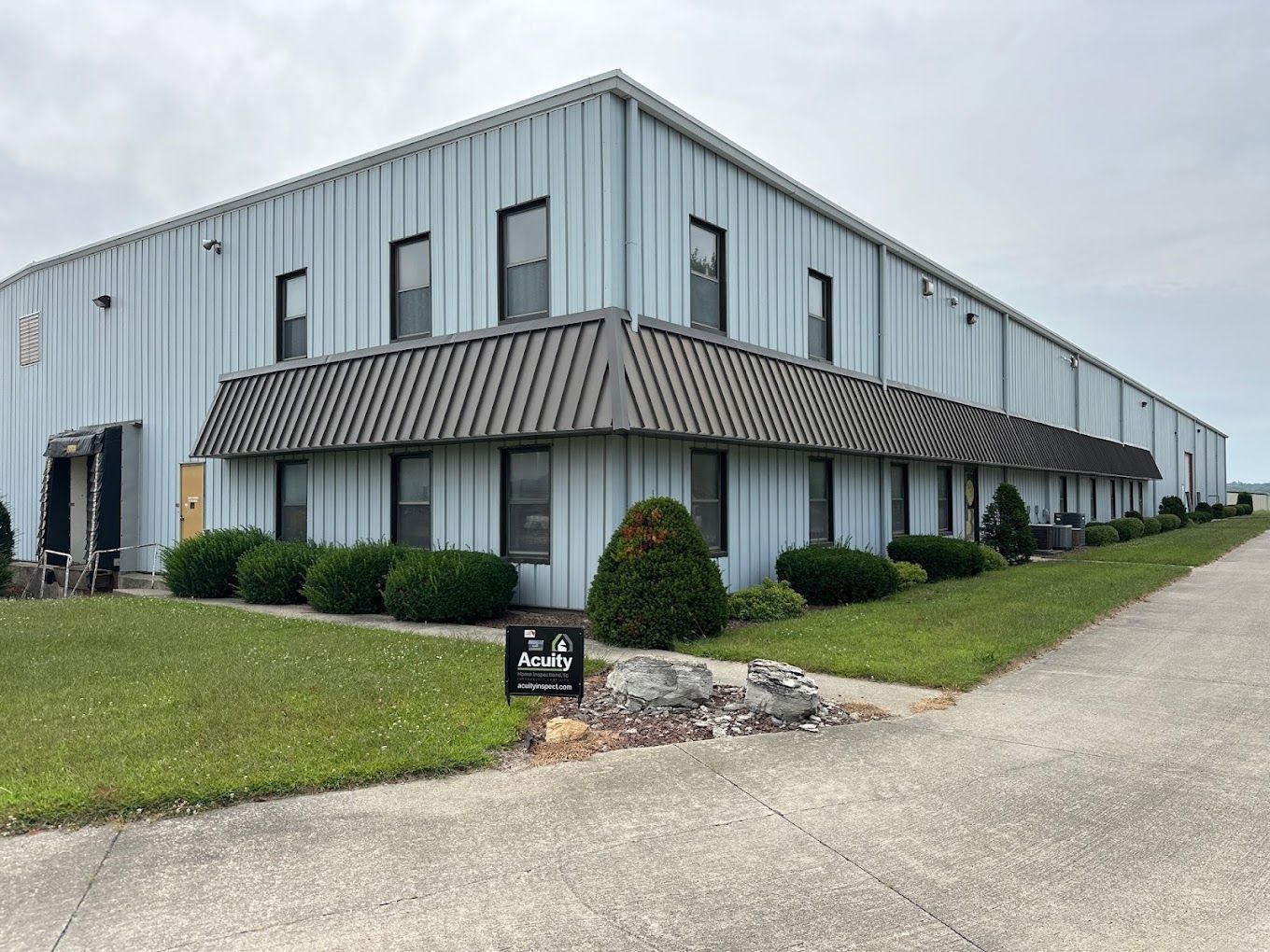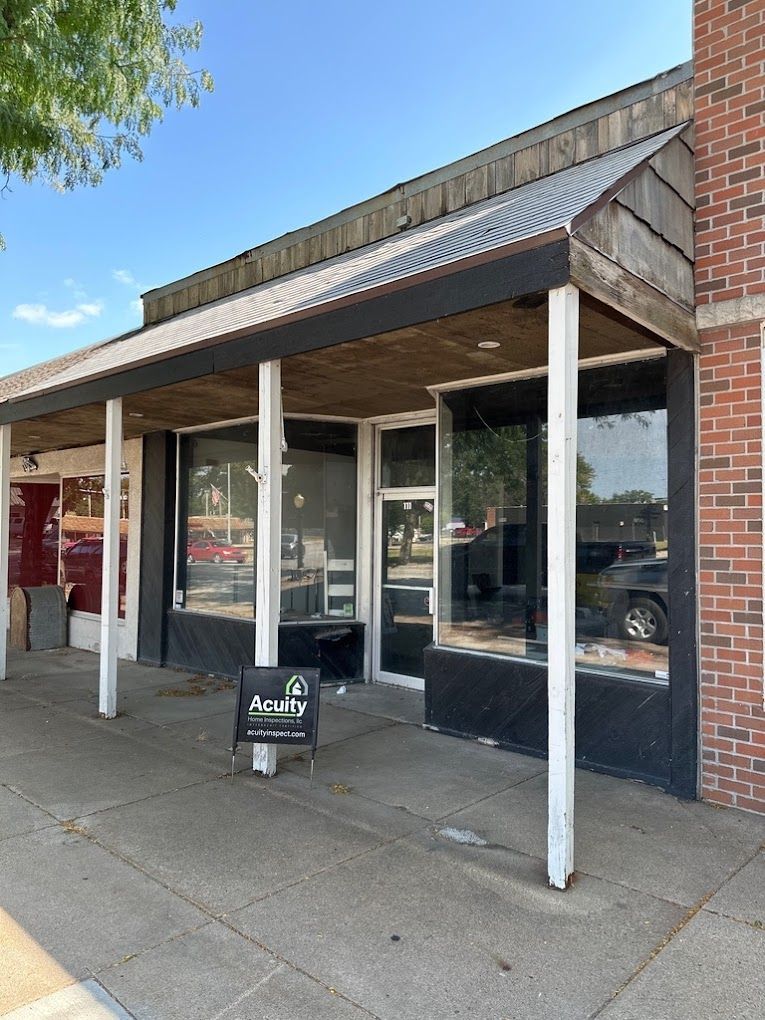
Commercial Property Inspections
Raising the Bar with CCPIA
The Certified Commercial Property Inspectors Association (CCPIA) is a leading organization that supports and certifies professionals who inspect commercial properties. Launched in 2017, CCPIA has become a respected authority, setting industry standards and providing valuable resources to inspectors, property owners, and real estate professionals. This nonprofit association offers certification, training, and ongoing education to elevate commercial property inspection practices and ensure quality in the industry.
Purpose and Mission of CCPIA
CCPIA's primary mission is to enhance the professionalism, credibility, and capabilities of commercial property inspectors. As commercial property transactions involve significant investments, buyers and sellers must receive a detailed, reliable inspection report. CCPIA helps meet this demand by providing inspectors with tools, training, and support to conduct thorough inspections. By setting high standards and enforcing a rigorous certification process, CCPIA promotes consistency and quality in commercial inspections, helping protect both inspectors and clients from potential liabilities.
CCPIA’s Certification and Standards
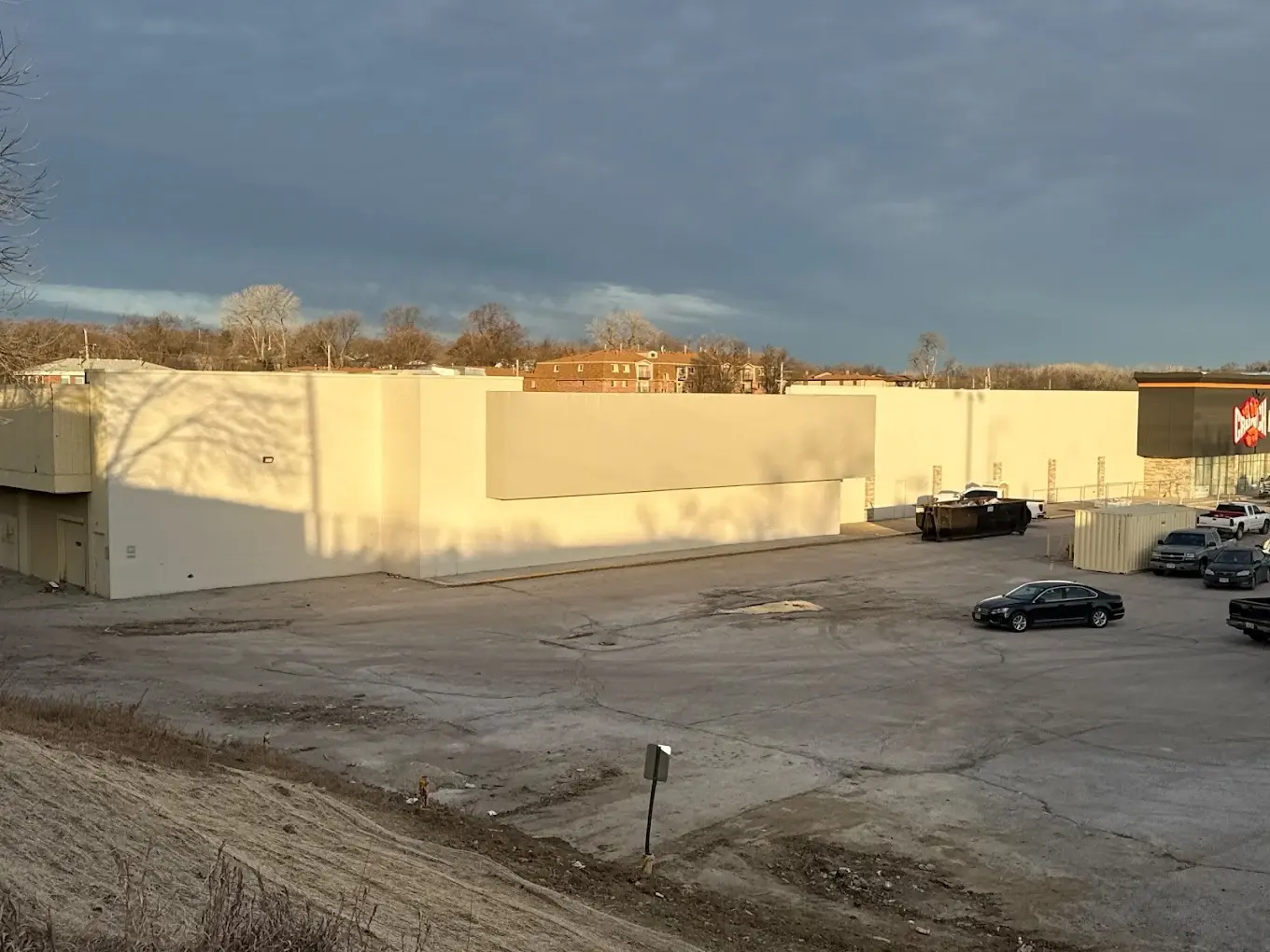
CCPIA offers a Certified Commercial Property Inspector (CCPI) designation to qualified inspectors. To achieve this designation, inspectors must complete specific courses and pass exams that test their knowledge of commercial building components, structural systems, and industry standards. CCPIA’s training covers a variety of property types, including office buildings, retail spaces, warehouses, and industrial facilities. Inspectors also learn about codes, safety protocols, and best practices that can vary based on local laws and building types.
The certification process helps standardize the skills and knowledge of commercial property inspectors. This is beneficial to clients, as it assures them that a CCPIA-certified inspector has the expertise and training to perform a comprehensive inspection.
Training and Resources
One of the hallmarks of CCPIA membership is access to an extensive library of resources and training materials. The association offers courses on topics like structural systems, electrical systems, heating, and cooling systems, as well as site inspections and documentation best practices. CCPIA also covers advanced inspection techniques, such as infrared thermography and building envelope inspections, which help inspectors identify potential issues that may not be visible to the naked eye.
In addition to formal courses, CCPIA provides members with technical resources, templates, and software tools that streamline the inspection process. These resources help inspectors produce consistent, high-quality reports that clients can easily understand. CCPIA also hosts webinars, workshops, and networking events that allow members to stay updated on industry trends and connect with other professionals.
Benefits for Clients
For clients, hiring a CCPIA-certified inspector offers peace of mind. Commercial properties are complex investments, and a thorough inspection can uncover potential issues that could affect a property’s value, safety, or functionality. CCPIA-certified inspectors have the knowledge to spot red flags, such as structural weaknesses, HVAC inefficiencies, and electrical problems. This enables clients to make informed decisions, negotiate repairs, or assess the financial implications of potential fixes.
Advocacy and Industry Influence
CCPIA also plays an advocacy role, working with other industry stakeholders to improve standards and regulations. By setting a high bar for training and certification, CCPIA has helped establish the legitimacy of commercial property inspection as a distinct and essential profession. The organization collaborates with regulators, real estate organizations, and building owners to promote best practices and encourage the adoption of uniform inspection standards.
The Certified Commercial Property Inspectors Association (CCPIA) is a crucial resource for the commercial property inspection industry. Through rigorous certification, extensive training resources, and a commitment to high standards, CCPIA empowers inspectors to provide reliable, professional services. As a result, CCPIA not only enhances the quality of commercial property inspections but also helps buyers and owners make sound, informed real estate decisions. Whether you’re an inspector seeking certification or a property owner looking for a qualified inspector, CCPIA is an invaluable ally in the commercial property industry.
Al Stephens, with Acuity Property Inspections, is the Omaha area's only CCPIA Certified Professional Inspector. Contact him today to learn more about how Acuity Commercial Property Inspections can help you and your clients make informed decisions about the condition of your commercial property!