7 Tips for Spring Home Maintenance
Getting your home ready for summer.
Regular home maintenance can help ensure the longevity and value of your property. With the upcoming arrival of summer, it's the perfect time to address specific maintenance tasks to protect your home from heat, rain, humidity, and other seasonal challenges. In this blog, I'll guide you through essential seasonal home maintenance tips, helping you keep your home in top shape and enjoy the season worry-free.
Check and Clean Your Air Conditioning System:
Your air conditioning system works tirelessly to keep your home cool during summer. To ensure its efficiency and prevent breakdowns, it's crucial to inspect and clean your AC system. Start with the interior HVAC system by changing or cleaning the air filters to improve air quality and airflow. For the exterior condenser unit, remove any debris or vegetation and ensure it has proper clearance for optimal performance. Check the condenser unit coils and hose out any accumulation of debris (cottonwood in NE is the worst offender!). Confirm that the unit is level to ensure optimal operational efficiency. Also, check the condition of the refrigerant lines – damaged or deteriorated insulation reduces the efficiency of operation. We always recommend having your HVAC system serviced by a qualified professional at least annually, at the beginning of the summer and/or winter seasons, to catch potential issues before they leave you hanging at the worst possible time!
Examine and Clean the Gutters:
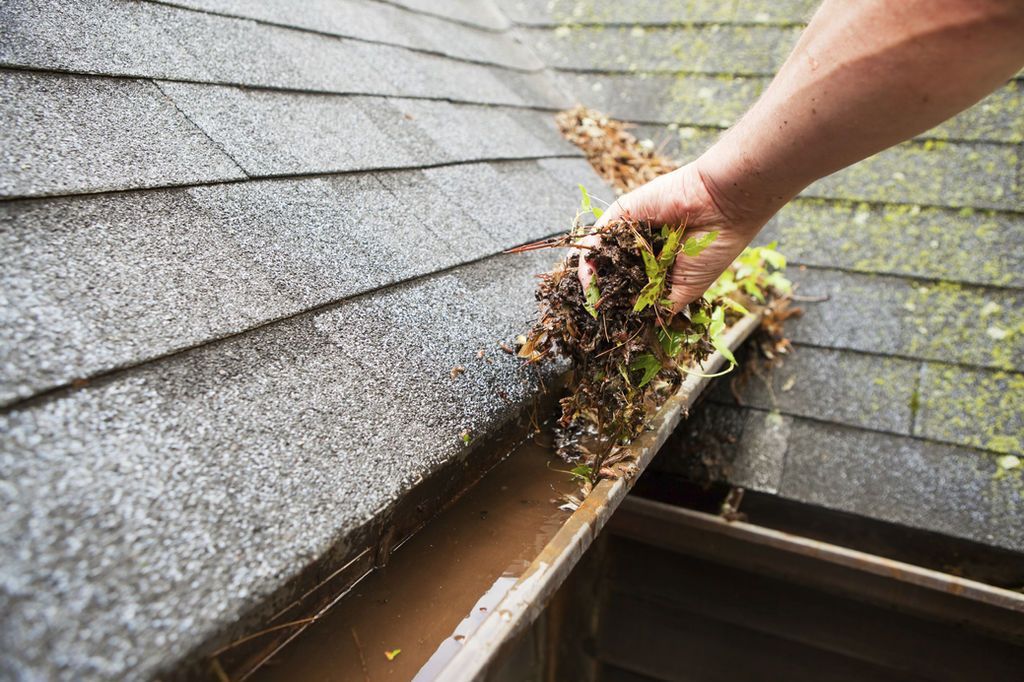
In anticipation of spring and summer rain showers, keeping your gutters clear of debris is essential to allow for proper water drainage. The best time to evaluate your gutters and other roof components for functionality is during rainfall (avoid lightning!) Look for any clogs or blockages in the gutters and downspouts. Remove leaves, twigs, and other debris to prevent water overflow and potential water damage to your home's foundation. Consider installing gutter guards to minimize future maintenance needs. While you’re looking at the roof, check and confirm that any “kick out” flashing is properly working to divert rainwater away from your home’s exterior.
Inspect and Maintain Outdoor Spaces:
With the arrival of summer, it’s time to enjoy all your outdoor spaces, so it's important to ensure they are safe and well-maintained. Check the condition of your deck or patio for any loose boards, posts, or railing balusters, cracks, or signs of rot. Clean and treat the wood if necessary. Inspect outdoor lighting fixtures, handrails, and stairs to ensure they are secure and functioning properly. Check any backyard play equipment for safety issues such as sharp edges, wood splinters, loose fasteners, and general structural soundness.
Monitor and Control Moisture Levels:
High interior humidity can create a favorable environment for mold and mildew growth. Monitor the moisture levels in your home, especially in basements and crawl spaces. Use dehumidifiers or ventilation systems to control excess moisture. Inspect and repair any leaks in plumbing, roofing, or windows to prevent water intrusion. Check and clean bathroom and kitchen exhaust fans. Check under-sink plumbing regularly to monitor for leaks and other moisture intrusion. Check and clean your dryer vent to ensure it’s able to properly exhaust moisture during operation.
Maintain Your Lawn and Landscape:
A well-maintained lawn enhances your home's curb appeal and creates an inviting outdoor space. It can also help improve the longevity of your home. Regularly mow the grass, trim bushes, and remove weeds to ensure rain can flow away from the house as intended. Keep any landscaping or other materials from direct contact with the home’s exterior. Adding mulch to garden beds can help retain moisture and control weed growth, but make sure you maintain at least 2” clearance between the ground/mulch and any wood siding to minimize the risk of moisture and insect-related damage. The grounds and landscaping should slope (target 6” slope within the 1st 10 feet) away from the home’s exterior to ensure proper drainage and minimize water intrusion at the foundation.
Inspect and Clean Windows and Screens:
Windows and screens play a significant role in providing ventilation and natural light to your home. Summer is a good time to inspect windows for any cracks, gaps, or broken seals. Clean the windows, both inside and out, to improve visibility. Remove and clean window screens, repairing any tears or damage. Properly functioning screens help keep pests out while allowing fresh air to circulate.
Test and Inspect Smoke and Carbon Monoxide Detectors:
Maintaining a safe living environment is of utmost importance. Test and inspect your smoke and carbon monoxide detectors to ensure they function correctly. Replace batteries if needed and follow manufacturer guidelines for regular testing. These life-saving devices provide crucial early warnings for a fire or carbon monoxide leak.
Spring home maintenance is essential for the well-being and preservation of your property. By following these tips, you can proactively address common issues and ensure a comfortable and safe home during the summer months. Regular maintenance not only helps you avoid costly repairs but also extends the life of your home's systems and components. Take the time to invest in your home now and enjoy a worry-free summer season. For a comprehensive home maintenance inspection, contact us today!