Water - Your Home's Worst Enemy

Alan Stephens • March 5, 2025

Proactive identification and management are key.

As a home inspector in Omaha, Nebraska, I've seen firsthand water's silent but devastating effects on homes. While water is a vital life-giving element, it can ironically be your home's worst enemy if not managed properly.


In our region, we're no strangers to the challenges that weather can bring. From heavy spring rains to winter snowmelt, water finds its way into our homes in various ways. When it does, it can wreak havoc on your home's structure, functionality, and overall healthiness. Additionally, water from plumbing system failure, worn-out appliances, and sewage backups are common causes of water-related damage.


One of the most severe consequences of water intrusion is structural damage. Water can seep into the foundation, causing it to crack or shift over time. This is particularly relevant in Omaha, where our clay-rich soil expands when wet, putting pressure on the foundation. Moreover, water can infiltrate the walls, leading to rot in wooden structures and rust in metal ones. Over time, this can compromise the integrity of your home, leading to costly repairs or even making it unsafe to live in.


Water can also disrupt your home's functionality. It can damage electrical systems, resulting in power outages or even fire hazards. It can warp and buckle hardwood floors, ruin carpets, and cause paint to peel. In the kitchen and bathroom, unchecked water leaks can promote mold growth, damaging cabinets and countertops.


The health risks associated with water damage are equally concerning. Damp environments are breeding grounds for mold and mildew, which can cause a range of health issues, from allergies and asthma to more serious respiratory conditions. Moreover, water can attract pests like mosquitoes, which can carry diseases.


Given these potential issues, it's clear that proper and timely preventative maintenance is the best way for a homeowner to identify and address issues that pose a risk for water-related damage. A professional home inspection can help homeowners identify potential sources of water intrusion and suggest appropriate measures to address them. This could be as simple as improving the grading around your home, adding roof flashing, installing a sump pump, or sealing cracks in the foundation.


Water, while essential for life, can become a home's worst enemy if not properly managed. As homeowners in Omaha, we must be vigilant about the potential for water damage and proactive in preventing it. Regular home maintenance inspections are a key part of this strategy, helping to ensure that our homes maintain their value and are safe, functional, and healthy for years to come.
By Alan Stephens July 21, 2026
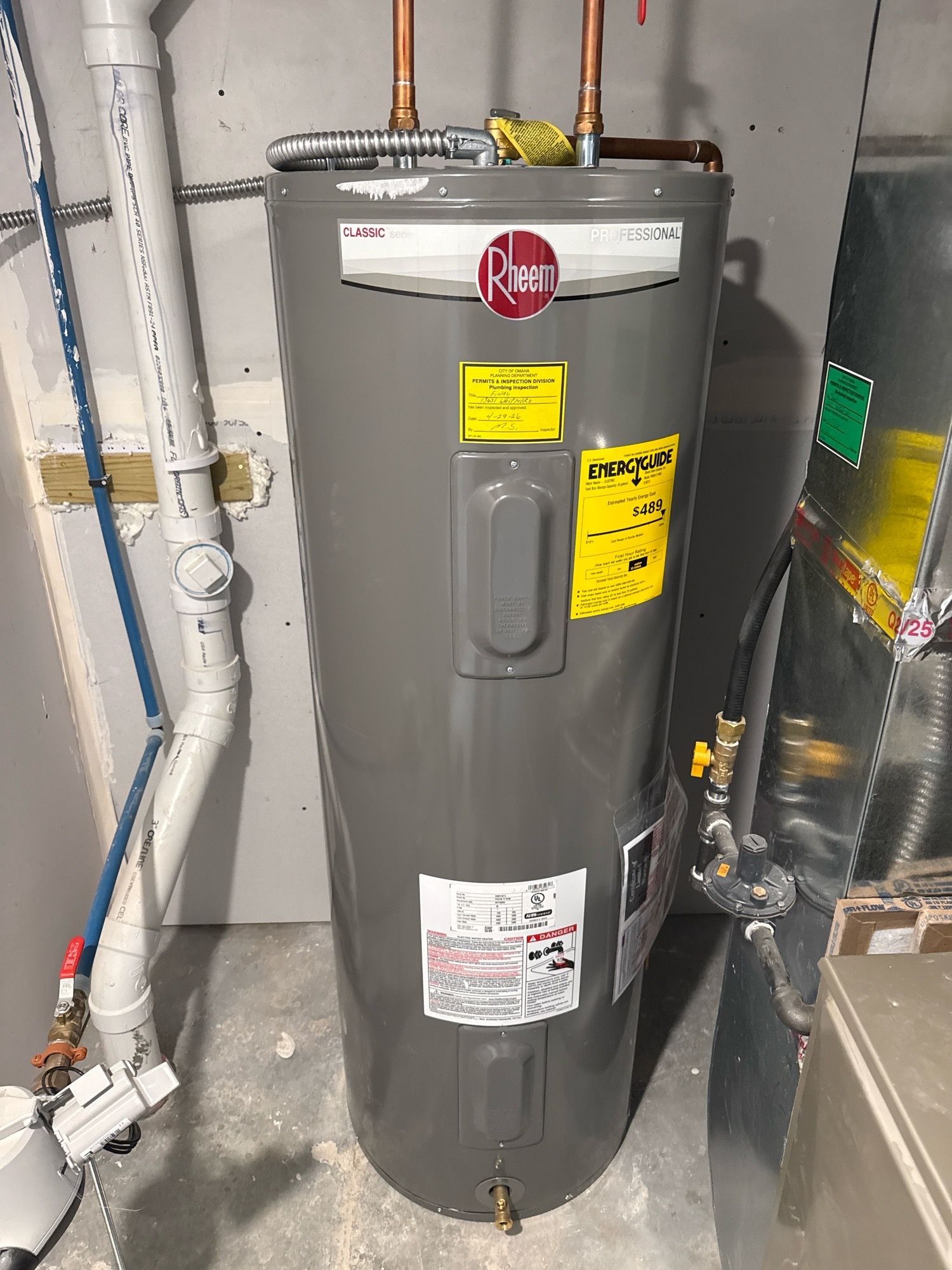
After an inspection, one of the first questions we hear is, "Should we get a home warranty?" A warranty can help with unexpected repair bills, but the coverage for major appliances depends on the details. Here is how we tell homeowners to evaluate a plan before they sign. 1. What "covered" really means Most standard plans list refrigerator, oven and range, dishwasher, built-in microwave, washer and dryer. What they often don't highlight is what is not included. Common exclusions are ice makers, water dispensers, door seals and gaskets, racks, handles, and any cosmetic parts. Two clauses matter most for buyers: • Pre-existing conditions: If the inspection report noted an issue, or if there is no proof the appliance was working at closing, the claim can be denied. • Maintenance: If you cannot show routine maintenance, like coil cleaning or filter changes, that can also be used to deny a claim. Keep your inspection report and any receipts. And check the payout cap. That is the absolute max the company will pay per appliance or per year. A $1,500 cap will not fully replace a high-end French door refrigerator. 2. The two costs you are really paying There is the monthly or annual premium, and then the per-visit service fee, usually $75 to $125. That fee is charged every time a technician comes out, even if they do not fix anything on that visit. A cheap premium with a high service fee gets expensive if you have multiple failures in one year. 3. Who is actually doing the repair? A warranty is only as good as its contractor network. In rural areas and smaller towns, networks can be thin, which means longer wait times in the middle of winter or summer. Before you buy, ask: • Do you have licensed techs covering the Omaha area? • What is the guaranteed dispatch window? • Can I use my own contractor with prior approval if no one is available? 4. Add-ons that matter in our area Standard plans rarely cover well pumps, septic systems, second refrigerators in the garage, sump pumps, or roof leaks. If the home has any of those, you will need an add-on. Those extras add to the premium, so price the plan with add-ons included, not just the base price. 5. How to compare companies apples to apples Don't compare the marketing grids. Download the actual sample contract. Look at the same three pages for each provider: • The covered items list and exclusions • The limits and payout caps • The claim process and service fee Big names you will see are American Home Shield, Choice Home Warranty, and First American. They differ mainly on cap amounts, add-on options, and service fee structure. Check recent third-party reviews and your state's complaint history, not just testimonials on their site. Home warranties are often sold as service contracts, so you can also check with the state Attorney General's office for complaint patterns. Bottom line from an inspector's perspective A home warranty is not a replacement for maintenance or for budgeting for replacement. It can be useful for the first year after a purchase, especially when appliances are older but still functional at closing. For some homeowners, putting that same $40 to $80 per month into a dedicated home repair fund makes more financial sense. If you are buying soon, bring your warranty questions to the inspection. We can note the age and condition of the appliances so you know which coverage, if any, makes sense.  Schedule an inspection with Acuity Property Inspections and get a clear picture of your appliances, systems, and what to watch for in year one.
By Alan Stephens June 3, 2026
4 Homeowner Tips
By Alan Stephens May 6, 2026
Unraveling the Myth: Can a Home “Fail” a Home Inspection?