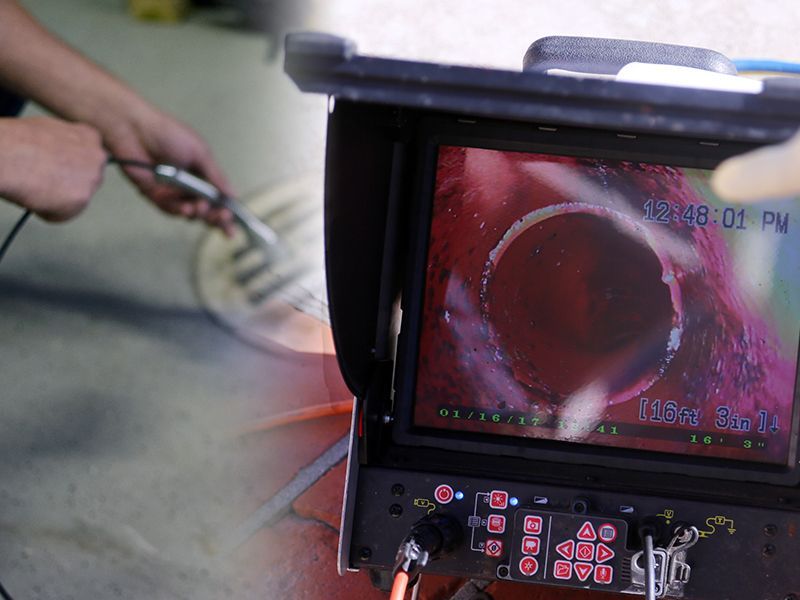
Infrared Thermography in Property Inspections

Alan Stephens • December 3, 2025

A valuable tool for revealing hidden issues.


As a homeowner or prospective buyer, it's essential to understand the significance of a thorough home inspection. While traditional visual inspections can identify many issues, there's a technology that takes inspections to a whole new level: infrared thermography. In this article, we will explore the importance of utilizing infrared technology in home inspections and how it can unveil hidden issues.


Enhanced Detection Capabilities:

Infrared thermography, also known as thermal imaging, allows home inspectors to detect issues that are invisible to the naked eye. By capturing thermal images of various surfaces and materials, infrared cameras can detect temperature variations and patterns that indicate potential problems. This technology enables inspectors to identify issues such as moisture intrusion, electrical hotspots, insulation gaps, and HVAC system inefficiencies that may go unnoticed during a visual inspection.


In Omaha, where extreme weather conditions are common, infrared inspections can be particularly valuable. They can reveal hidden moisture issues caused by heavy rainfall or winter storms, helping homeowners and buyers to address them promptly and prevent further damage.


Moisture Intrusion and Water Damage:

Our climate, with its varying temperatures and precipitation levels, can lead to moisture intrusion and water damage in homes. These issues can go undetected for long periods, causing structural damage, mold growth, and health hazards. Infrared technology allows inspectors to identify areas of excess moisture or leaks by detecting temperature anomalies that indicate hidden water intrusion. This early detection helps homeowners and buyers take proactive measures to mitigate water-related issues and prevent costly repairs in the future.


Energy Efficiency Assessments:

Infrared inspections can also play a crucial role in assessing the energy efficiency of homes. With extreme temperatures during both summer and winter months, ensuring proper insulation and sealing is vital for energy conservation and cost savings. Infrared cameras can identify areas of heat loss or air leakage, allowing homeowners to address insulation gaps, drafts, or poorly sealed windows and doors. By enhancing the energy efficiency of their homes, residents can reduce utility bills and create a more comfortable living environment.


Electrical System Evaluations:

Electrical problems pose significant safety risks in homes. Infrared inspections can help identify electrical issues before they lead to accidents or fire hazards. By scanning electrical panels, outlets, and wiring systems, infrared cameras can detect overheating components, loose connections, or faulty wiring that may be hidden behind walls or in inaccessible areas. This enables homeowners to address electrical concerns promptly, minimizing the risk of electrical failures, electrical fires, or electrical shocks.


Commercial Applications:

Infrared inspections are not limited to residential properties. Commercial properties, such as offices, retail spaces, and industrial facilities, can undergo infrared inspections to identify energy inefficiencies, detect electrical problems, pinpoint roof leaks, and evaluate the performance of HVAC systems. These inspections help business owners optimize their operations, improve energy efficiency, and ensure a safe and comfortable working environment.


Infrared thermography has revolutionized the home inspection industry by offering enhanced detection capabilities that go beyond visual inspections. In Omaha, where weather conditions can present unique challenges, utilizing infrared in home inspections is of paramount importance. By uncovering hidden issues related to moisture intrusion, energy efficiency, electrical systems, and more, infrared technology provides homeowners and buyers with valuable insights for making informed decisions and safeguarding their investments.


When seeking a home inspection, make sure to choose a qualified inspector who incorporates infrared technology into their inspections. By harnessing the power of infrared, you can gain a comprehensive understanding of your home's condition, address potential issues proactively, and enjoy peace of mind in your residence.
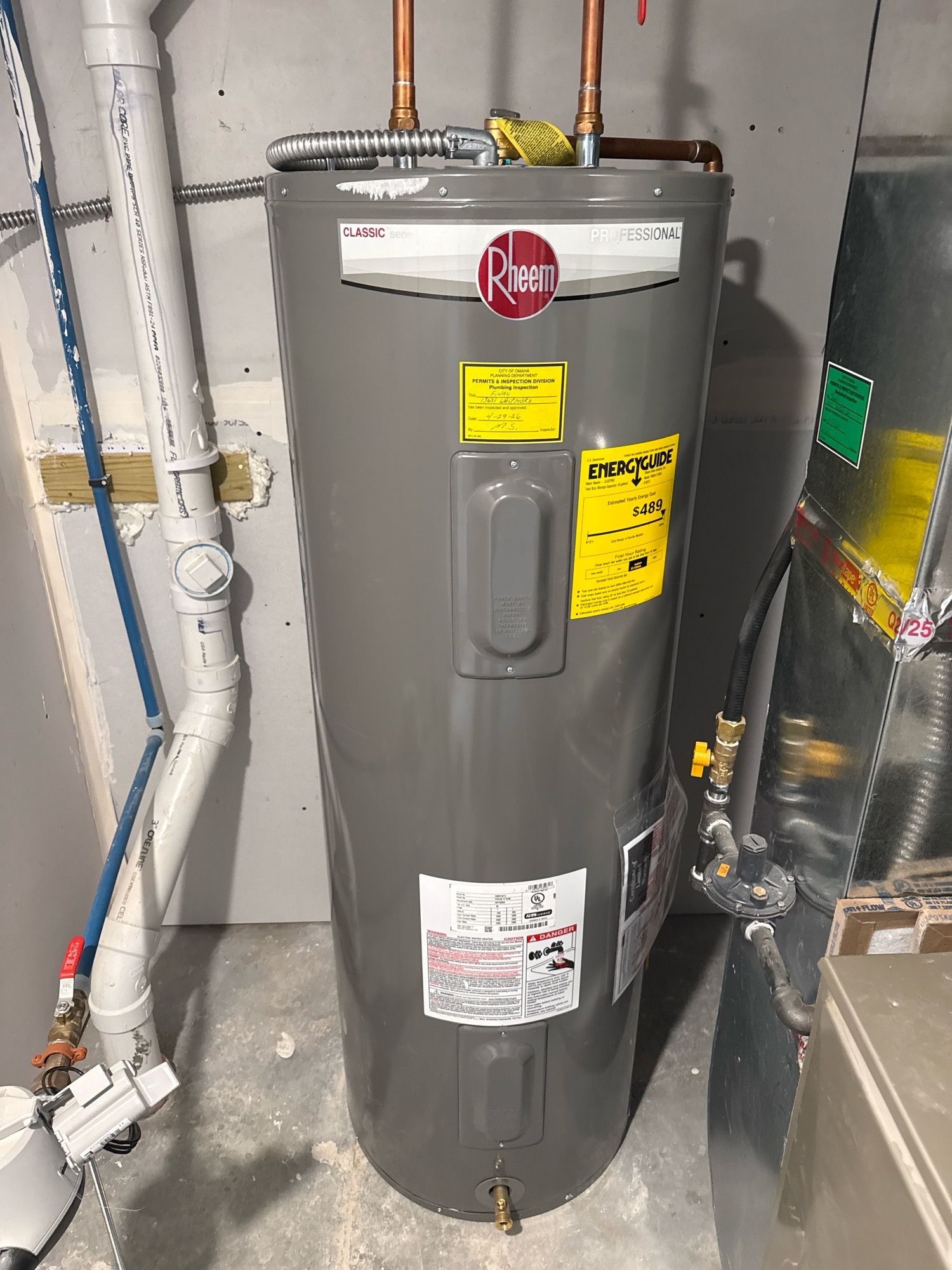

By Alan Stephens November 5, 2025
November is National Child Safety and Protection Month. Data shows that accidental injury is the leading cause of death in children less than 14 years old, with over 30% of those injuries occurring in the home. Some of the most common home-related injuries, and where they happen, include: Burns – in the kitchen or at the barbeque grill Suffocation – in an unsafe sleep environment, foods (i.e., hot dogs, grapes), small items (i.e., batteries, coins), and items that can strangle or entrap Drowning – in the bathroom, kitchen, swimming pools, or hot tubs Cuts – in the kitchen, garage, or garden shed Falls – on stairs, from high windows, or from tipping furniture Poisoning – under the kitchen sink, in the garage or garden shed, the bathroom medicine cabinet, or anywhere medicines are stored (such as a purse or car console) As much as a parent thinks that they’ll be able to always watch their young children closely, even with the best preparedness and intentions it only takes a few seconds for an inquisitive baby or toddler to put themselves in an unsafe situation. Accidents do happen, even when precautions are taken, so being prepared to react calmly and quickly can help minimize the severity of any injury. To provide a safe home environment and reduce the risk of injury to children (and grandchildren) it’s important to look for and address potential safety risks in all areas of the home – inside and out. For homes with infants and toddlers, try to look at the world from their perspective. Spend some time crawling around on your hands and knees and try to find anything that could cause an injury. If you have older children, you could even involve them in a challenge to help you find potential hazards with prizes or rewards for their input! The following checklists for each area of a home can help your awareness of potential hazards and options to prevent them: General: Keep an “emergency contact” list for your pediatricians, doctors, poison-control center, neighbors, and close relatives. While it’s relatively easy to find these on your cell phone, a printed list prominently located will be easily available to you or others who may be watching your children. Learn CPR (cardiopulmonary resuscitation) and the age-appropriate Heimlich maneuver. Purchase or assemble a first-aid kit with a supply of bandages, tape, gauze, antibiotic cream, antihistamines, and any specific emergency instructions someone might need. Confirm the placement of smoke and carbon monoxide detectors in the proper locations throughout the home and, depending on their type, change the batteries regularly. Have a working fire extinguisher available and make sure you know how to use it. Kitchen: Childproof latches that secure doors and drawers automatically when closed All knives, forks, scissors, and other sharp tools stored in a latched drawer Dishwasher lock to prevent opening and access to dangerous objects Oven-door lock and stove-knob protectors Anti-tip bracket installed on the range Locate chairs and stepstools away from the stove When stovetop cooking, use the back burners or turn pot handles away from kids’ reach Glass objects stored out of reach Countertop appliances and cords out of reach Garbage kept in a cabinet or other childproof location Under-sink cleaning supplies and other unsafe products in a childproof cabinet Plastic bags stored out of reach or in a childproof cabinet or closet Refrigerator magnets or other small items out of reach Working fire extinguisher located in a childproof but accessible location Tables free of tablecloths within a child’s reach Highchair equipped with a safety belt and strap between legs Child's Room/Bedroom: Safety belt on the baby's changing table Crib slats less than 2-3/8” apart Crib hardware secure and free from sharp edges Crib mattress properly sized (no gaps around edges) Crib free of a “drop-side” Crib free of pillows, bumper pads, stuffed animals Hanging mobiles with string or ribbons out of reach Cordless window treatments (or cords secured out of reach) Electric cords >3’ away from the crib Dresser equipped with an anti-tip device Non-locking toy chest with slam-proof lid All nightlights clear of bedspreads or curtains Flame-retardant sleepwear with no drawstrings Bathroom: Water heater set below 120°F Childproof latches on all drawers and cabinets Razors, scissors, and other sharp objects stored out of reach Medications, cosmetics, cleaners, nail polishes, and other toxic materials out of reach and stored in a childproof cabinet or drawer GFCI protection on all outlets Toilet-lid lock and always left closed when not in use Hair dryers, curling irons, and electric razors unplugged and stored securely when not in use Nonskid bottom of shower and bathtub Garage & Laundry Area: Tools and supplies used for cleaning, auto maintenance, pool care, gardening, and lawn work stored out of reach or in a secured location Garbage and recycling bins covered and secured Bleaches, detergents, and other cleaning products in their original containers and stored in a locked cabinet Laundry detergent pods out of reach and out of sight Clothes washer and dryer doors kept closed when not in use Walls & Floors: No peeling or cracking paint on walls No nails or other sharp or removable hardware within reach Mirrors and frames out of reach Doors & Windows: Doors equipped with finger-pinch guards One-piece door stops (or rubber tip removed) Doorknob covers on doors you don’t want your child to enter or exit Childproof locks on sliding doors Decals on glass doors Furniture located away from windows Safety guards on upper-story windows Window blinds and curtains free of cords or cords secured out of reach Furniture: Bookshelves and other furniture equipped with an anti-tip device Protective padding on corners of coffee tables Hand-me-down toys and equipment confirmed for no recalls TV’s mounted securely to the wall Childproof drawers with stops to prevent drawers from falling out, free of hazardous objects Stairways: Approved and mounted safety gates at the top and bottom of every stairway Stairs free of loose carpeting or objects Balusters on stairway guards with less than 4” spacing Railings and balusters secure Electrical: All unused outlets covered with safety plugs Cord holders to keep longer cords fastened to walls Extension cords not a tripping hazard and unplugged when not in use Heating & Cooling Elements: All radiators and baseboard heaters covered with childproof screens Gas fireplace valves and switches secured or out of reach Fireplace screen or barrier in place Electric space heaters >3’ from beds, curtains, or flammable materials Outdoors/Backyard/Pool: Walkways and outdoor stairways well lit Stairway risers closed to prevent entrapment or falls Sidewalks and walkways free of major heaving cracks or tripping hazards Swing sets free of sharp edges, rust, or splintering wood Swings, slides, and other equipment securely fastened Softened ground below swings (i.e., sand, mulch, rubber mats) to absorb the shock of a fall Min. 5’ climb-proof fencing surrounding the pool Pool access with a self-closing gate and childproof lock Alarm on door accessing pool from the house Ladders removed from above-ground pools when not in use Other Safety Issues: Checked, confirmed, and removed any poisonous houseplants No smoking rule to protect your kids from secondhand smoke Testing and required mitigation for radon, lead, asbestos, mold, and other air quality issues Guns kept in a locked cabinet, separate from the ammunition A Home Maintenance Inspection can help identify safety hazards in the home and provide a strategy for confirming a safe home environment for your family.
By Alan Stephens October 1, 2025
Tips for creating a healthier living space
By Alan Stephens September 3, 2025
Cooler weather is on it's way...